


SKIN REGENERATION
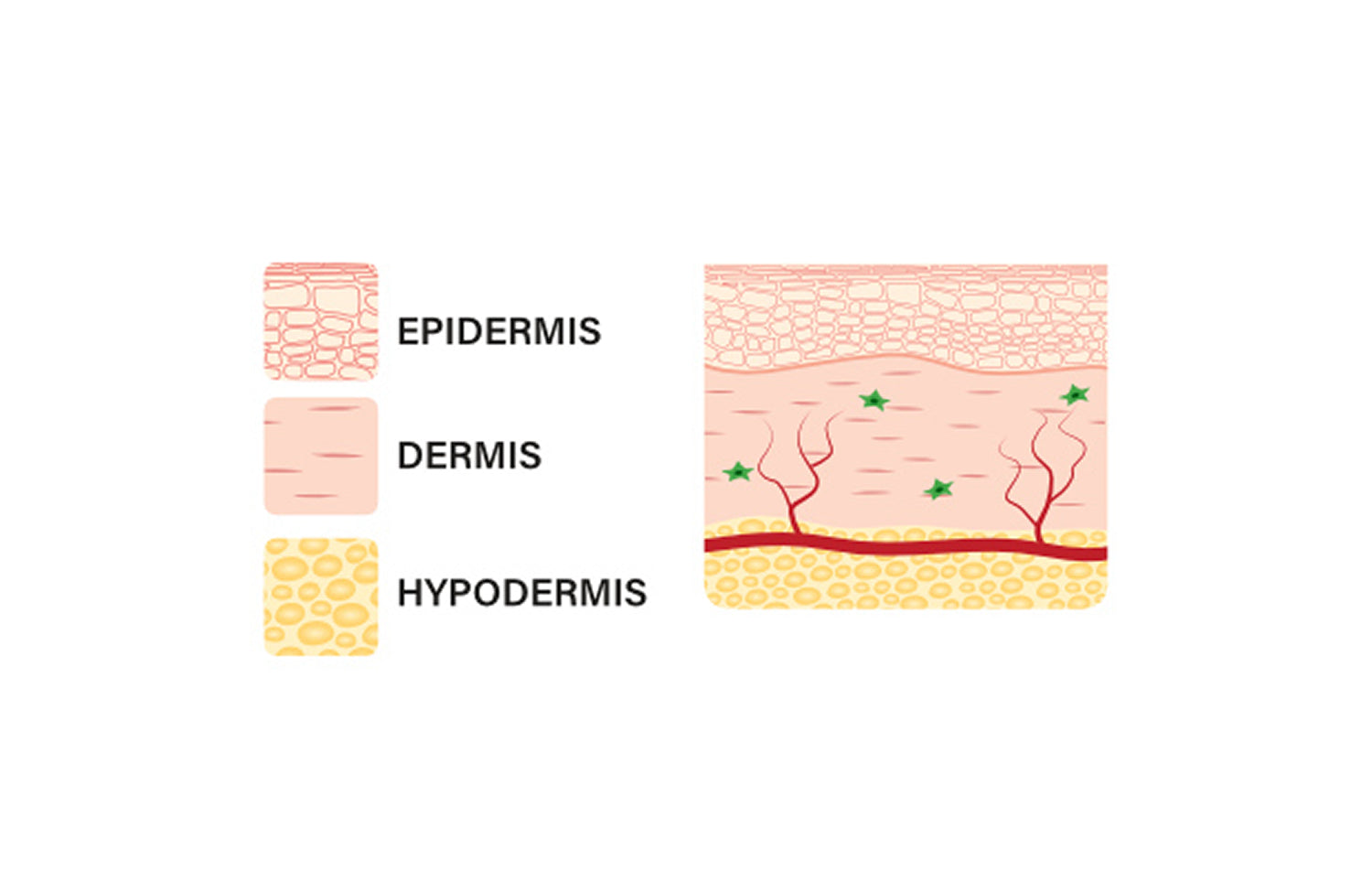
The skin is the largest organ of the human body. It consists of 3 layers:
the epidermis (outer layer), the dermis and the hypodermis (subcutaneous layer). All 3 layers renew themselves regularly.
The skin's renewal cycle takes about 28 days on average. New basal cells form constantly in the lowest layer of the epidermis and push the cells above them steadily upwards, where they slowly harden and form the skin's outermost layer.
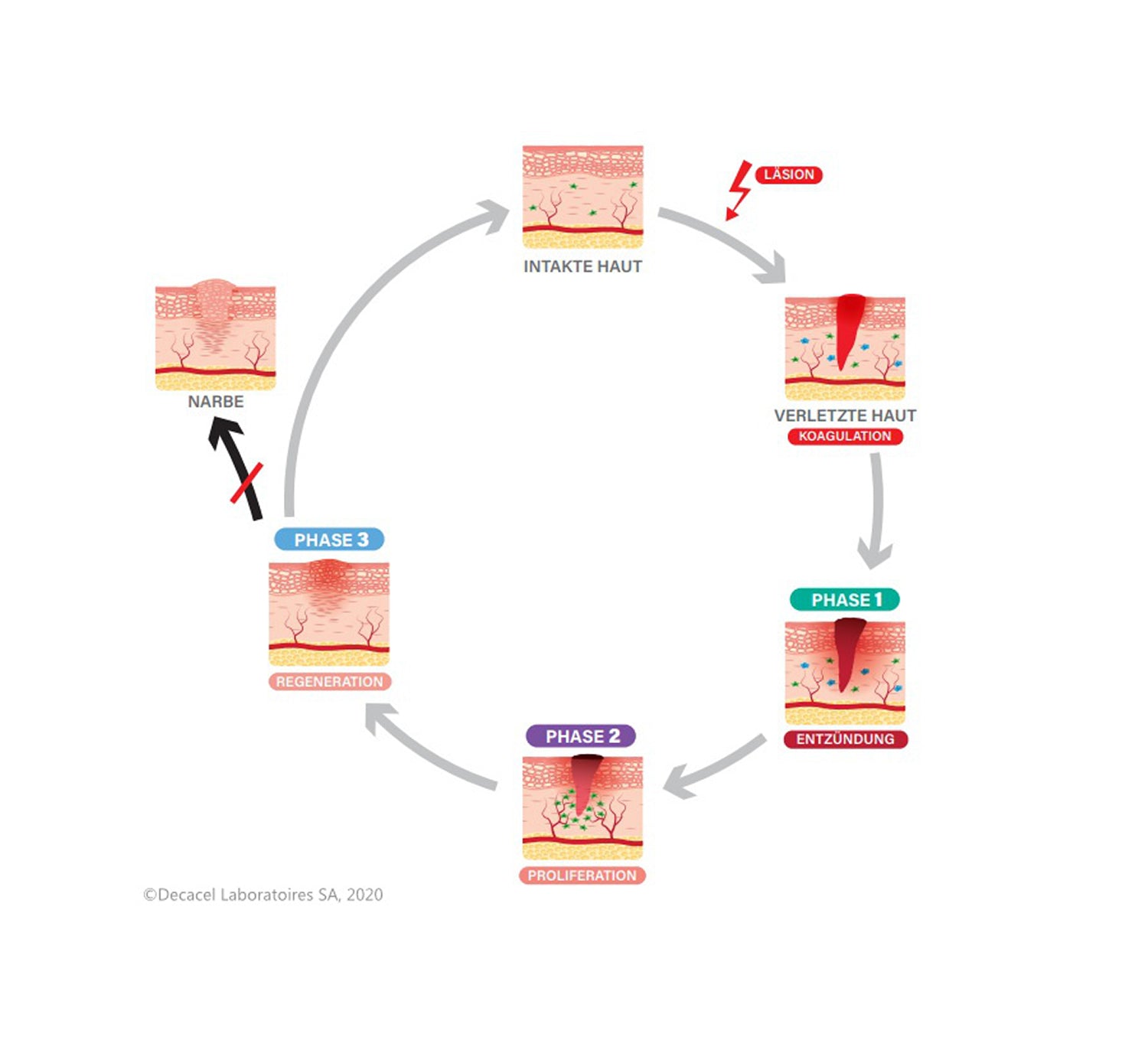
SKIN REGENERATION CYCLE
The skin's regeneration can be described in 3 phases:
PHASE 1 – Clearing phase
PHASE 2 – Repair phase
PHASE 3 – Remodelling phase
The phases usually flow into one another and overlap a little. How long each phase lasts can differ from person to person.
Good hydration and protection from harmful environmental factors support the skin's natural regeneration. The right skincare helps.
Alpha-3 Complex®
From the start, skin regeneration has been at the centre of Dr Valérie Enderlin's work. After laser procedures and surgery in particular, she wanted to be able to recommend good skincare to her patients. So she developed ALPHA-3 COMPLEX® and added it to every skincare product in the DECALYS line.
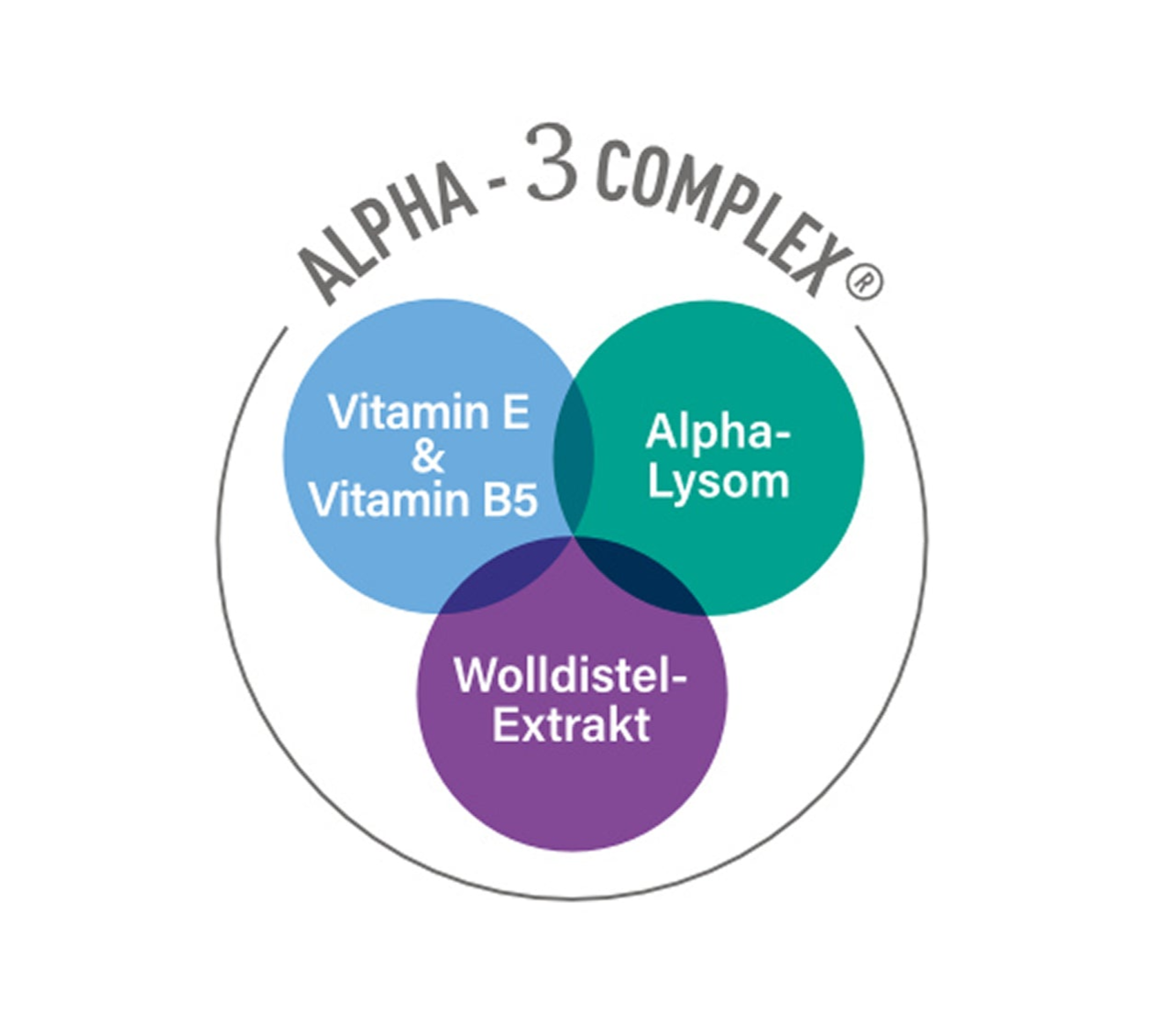
ALPHA-3 COMPLEX® combines three groups of active ingredients:
ALPHA-LYSOME: supports autophagy, the natural self-renewal process of skin cells.
COTTON THISTLE EXTRACT: supports the regeneration of the skin's surface and strengthens its natural barrier.
ANTIOXIDANTS: vitamin B5 and vitamin E help protect skin cells from oxidative stress and contribute to the skin's regeneration.
The 3 active ingredients of ALPHA-3 COMPLEX® support the skin through the 3 phases of its regeneration.
The individual phases usually flow into each other and overlap a little. Exactly how long a single phase lasts can differ individually.

THE ACTION OF ALPHA-3 COMPLEX® ON THE 3 PHASES OF SKIN REGENERATION
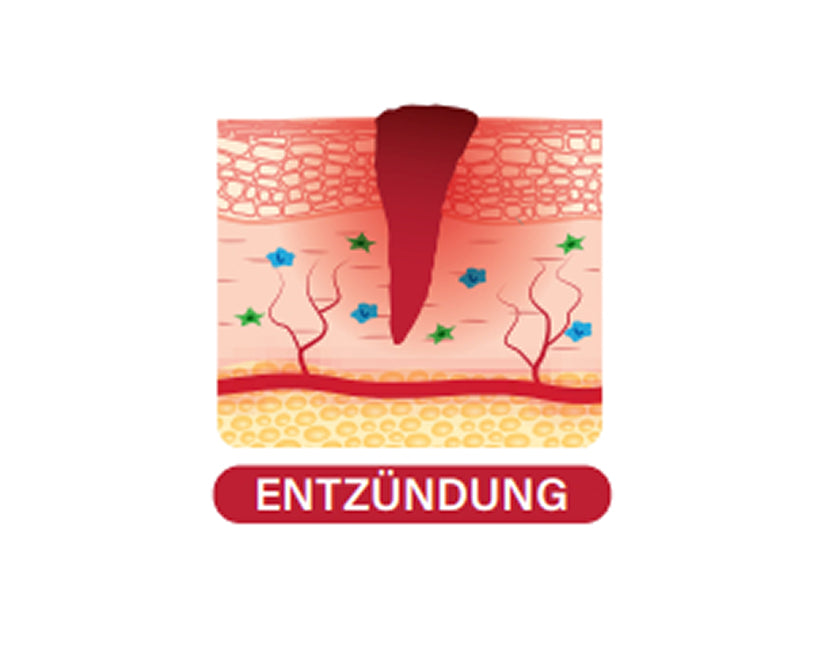
PHASE 1
In PHASE 1, Alpha-Lysome supports natural autophagy, as skin cells break down worn-out components and reuse them.
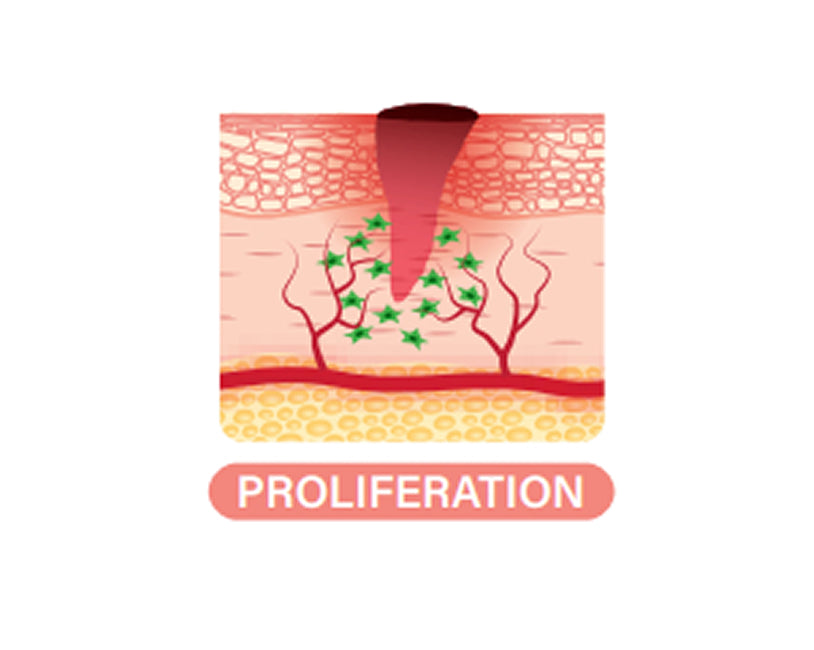
PHASE 2
In PHASE 2, cotton thistle extract, a natural plant extract, supports the renewal of the epidermis and strengthens the skin's natural barrier.
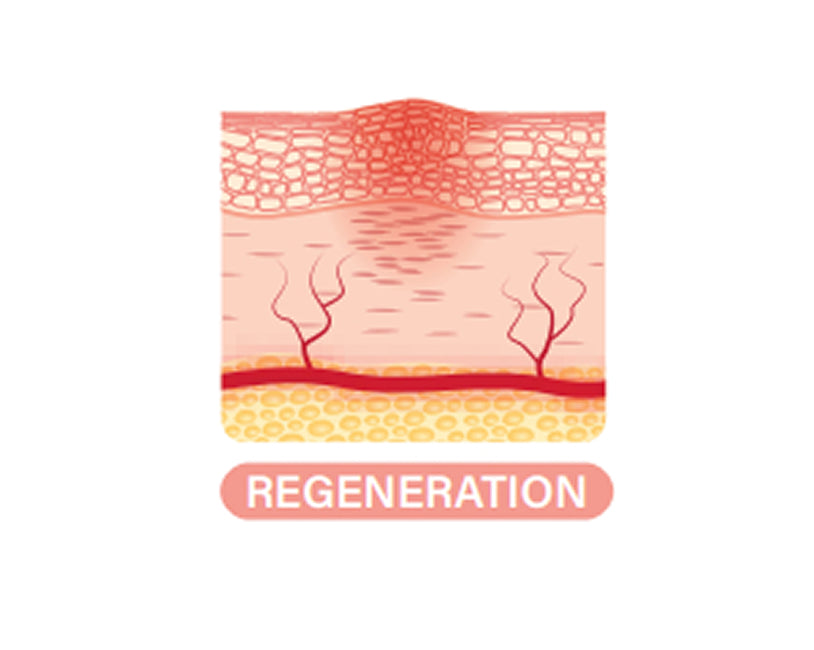
PHASE 3
In PHASE 3, an antioxidant complex of vitamin E and vitamin B5 helps protect skin cells from oxidative stress and has a soothing effect.
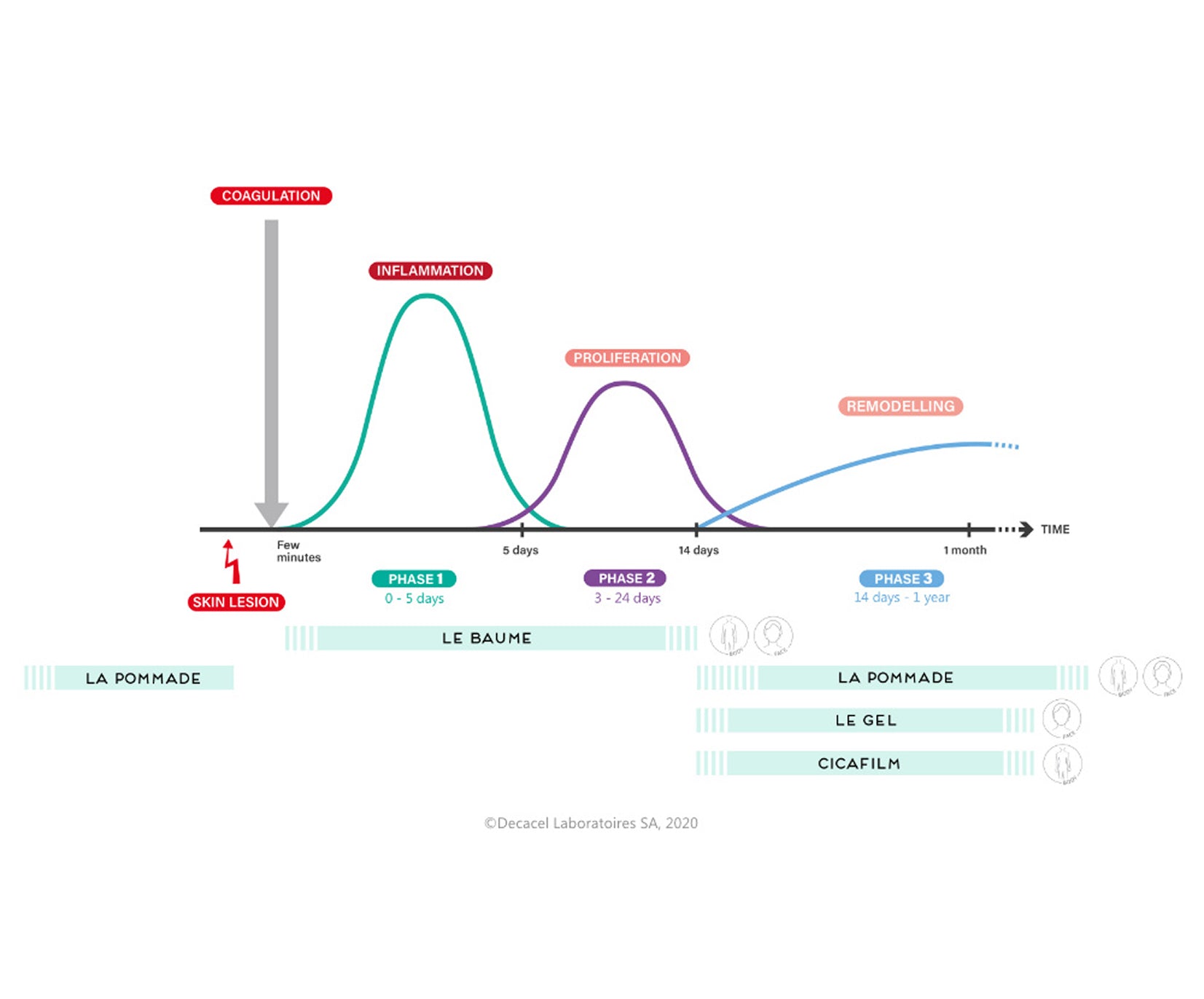
Which care suits your skin? The right formulation for each phase:
LE BAUME (light cream): PHASE 1 and PHASE 2, for dry, reddened and stressed skin
LA POMMADE (rich ointment): end of PHASE 2, PHASE 3 and the care of healthy skin, for stretch marks and older scars
LE GEL (silicone gel): PHASE 3, to improve the appearance of scars on exposed areas such as the face and neck
CICAFILM (silicone sheet, medical device): PHASE 3, for scars on areas covered by clothing, as described in the instructions for use
AUTOPHAGY
DECALYS products are based on the concept of autophagy. The term comes from the Greek words for "self" (auto) and "consume" (phagein) and describes a central process of cellular self-cleaning and renewal. Alpha-Lysome, a component of Alpha-3 Complex®, is designed to support this natural process in the skin.
In this process, cell components are first broken down and then recycled. Damaged or misfolded proteins, and even whole organelles, are broken down, and much of their raw material is recovered.
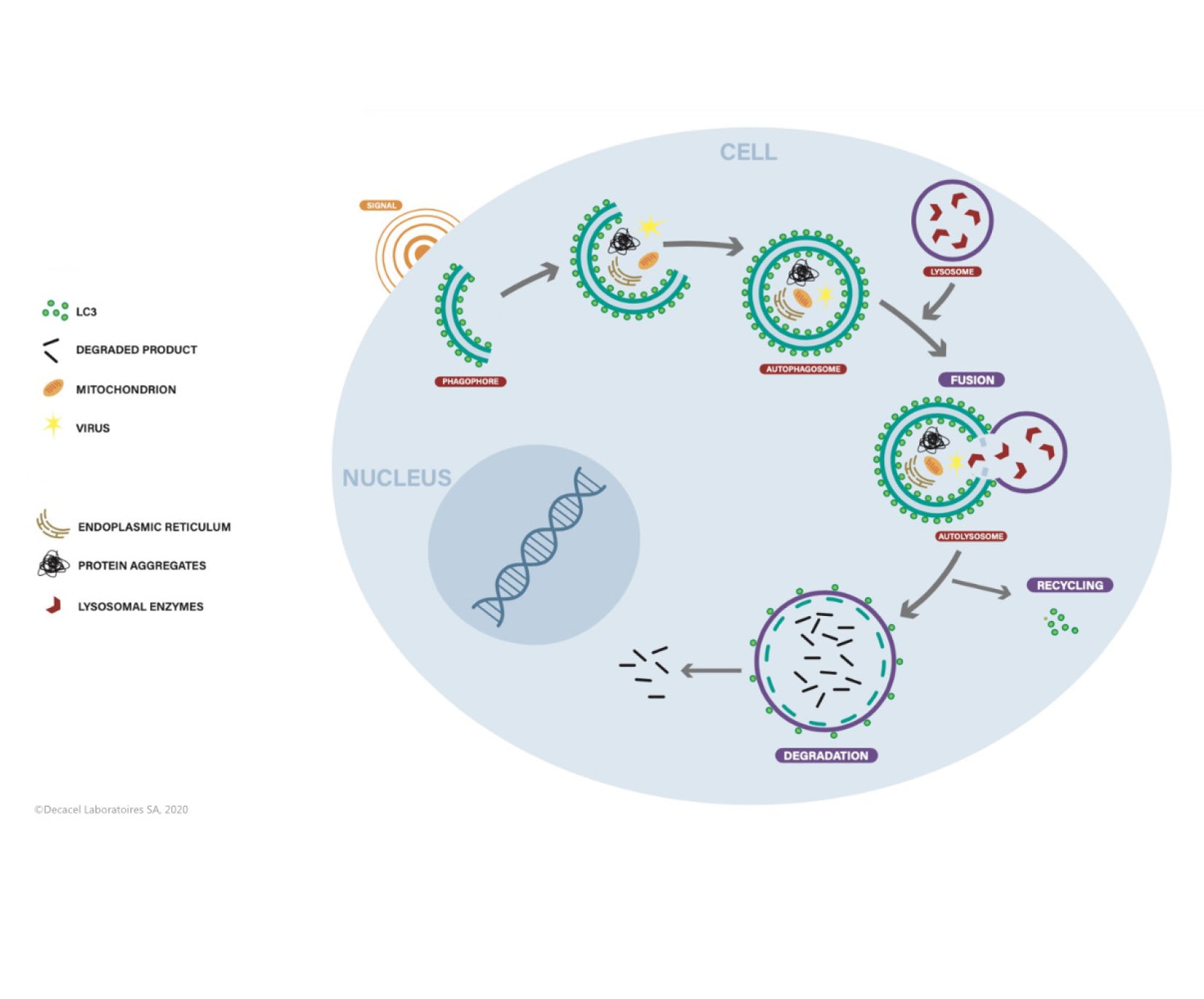
The term “autophagy” describes three main types of degradation: macroautophagy, chaperone-mediated autophagy (CMA) and microautophagy. These three mechanisms include all degradation processes of intracellular material via lysosomes.
Macroautophagy is the main mechanism of autophagy. So when we talk about autophagy below, macroautophagy is always meant.
Signals on the cell membrane activate autophagy. A Phospholipid-Doppelmembran, called a Phagophor occurs. This expands. Unwanted or damaged organelles, lipids or misfolded proteins are collected and enclosed by this lipid double membrane (autophagosome).
This autophagosome then merges with a lysosome into the Autophagolysosom. In it, the damaged cytoplasmic components are broken down by enzymes as cell waste. Their basic building blocks are then released back into the cytoplasm and recycled by the cells.
Autophagy is an important process for maintaining equilibrium in the cell. New cells and tissues are formed to replace those that have been broken down. In this way, the cells and thus also the organ in question, such as the skin, renew themselves.
Autophagy is a continuous process, but it is also activated specifically in stressful situations, for example when the skin is under strain. It protects cells by helping to remove damaged organelles and to provide basic components for new molecules, even when fewer nutrients are available.
High glucose, insulin and protein levels can inhibit autophagy. Conversely, fasting or endurance exercise activates it: reserves are consumed and nutrients from superfluous proteins are released.
Role of autophagy in the skin
Autophagy is fundamental to cellular homeostasis, the balance of the skin.
The skin is exposed to a variety of environmental factors that can damage it. These include UV rays, heavy metals, PAHs (polycyclic aromatic hydrocarbons) and other atmospheric particles.
These harmful factors usually put strain on the cells and the skin barrier and trigger stress reactions in the skin. Recently, it has been reported that some synthetic or natural autophagy activators activate cellular autophagy signalling and reduce oxidative stress, damage caused by skin ageing and free radicals.
The skin serves as the human body's first line of defence against a variety of environmental influences, and it is now assumed that autophagy is a form of the body's own internal defence mechanism against such disturbing influences.