

Causes, Care & Medical Options for Smoother-Looking Skin
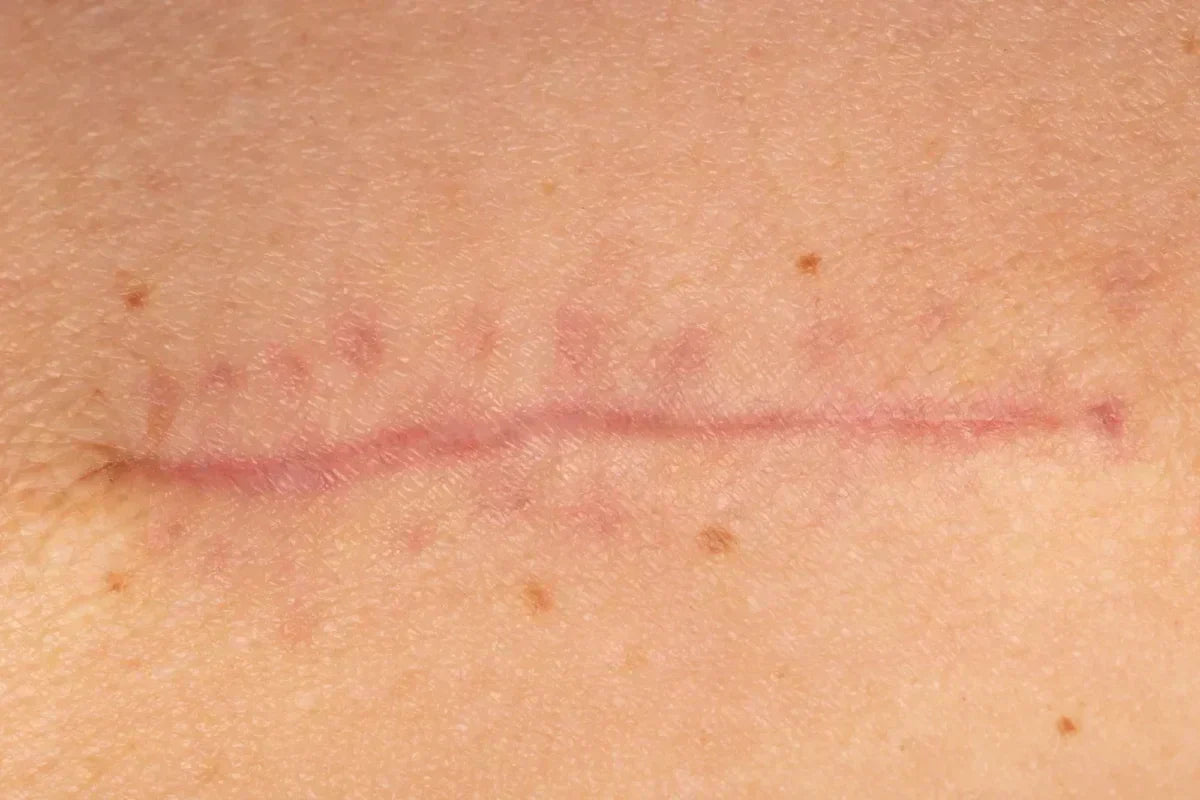
Whether after surgery, cuts, acne, or burns, almost every skin carries the traces of past wounds. But how do scars actually form? And how can you improve their appearance over time?
Here’s a medically grounded overview, based on dermatological insights and complemented by the care expertise of DECALYS by Dr. Enderlin.
1. How do scars form?
Every scar is part of the body’s natural wound-healing process. As soon as the skin is injured, it immediately begins repair – in three phases:
- Inflammatory phase: Cleansing & defense (1–3 days)
- Proliferation phase: New skin cell and collagen production (4–21 days)
- Remodeling phase: Scar formation & tissue strengthening (up to 1 year)
Whether a scar heals flat and discreetly or becomes raised and visible depends on several factors: genetics, skin type, wound care, and post-injury management.
2. What factors influence scar formation?
Scarring is affected by both internal and external factors, including:
- Wound depth & type (e.g. surgical, burn, cut)
- Scar location (e.g. mobile or tension-prone areas
- Skin type & genetic predisposition
- Wound care quality & infections
- UV exposure during healing
The first few weeks of wound care are crucial. Consistent and protective treatment can significantly reduce long-term scarring.
3. Medical Scar Care: What really works?
Modern dermatology recommends a combination of protection, hydration, and active ingredients, tailored to scar type and stage.
💡 Most effective care principles at a glance:
|
Treatment Goal |
Recommended Approach |
|
Protection from friction & moisture loss |
✔ Silicone patches or gels (e.g. CICAFILM) |
|
Reduce inflammation & promote healing |
✔ Zinc, Centella Asiatica, Aloe Vera |
|
Support regeneration & cell renewal |
✔ Alpha‑3 Complex®, Vitamins A/E |
|
Soothe itchiness & improve texture |
✔ Medical scar creams like LA POMMADE or LE BAUME |
Recommended DECALYS Products:
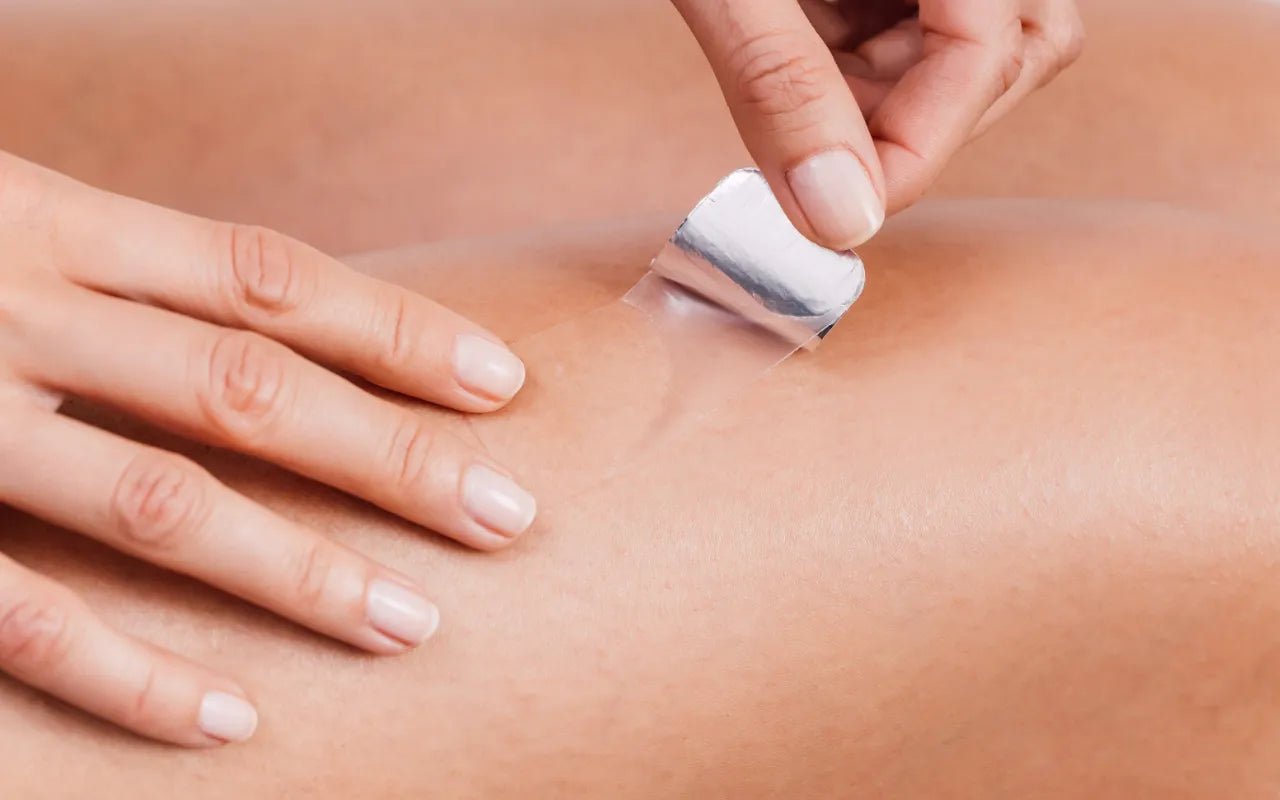
CICAFILM – breathable silicone patch for fresh scars and post-surgery.
LE BAUME – calming balm for irritation, redness, or after treatments.
LA POMMADE - regenerative scar cream for sensitive, mature or reddish scars.
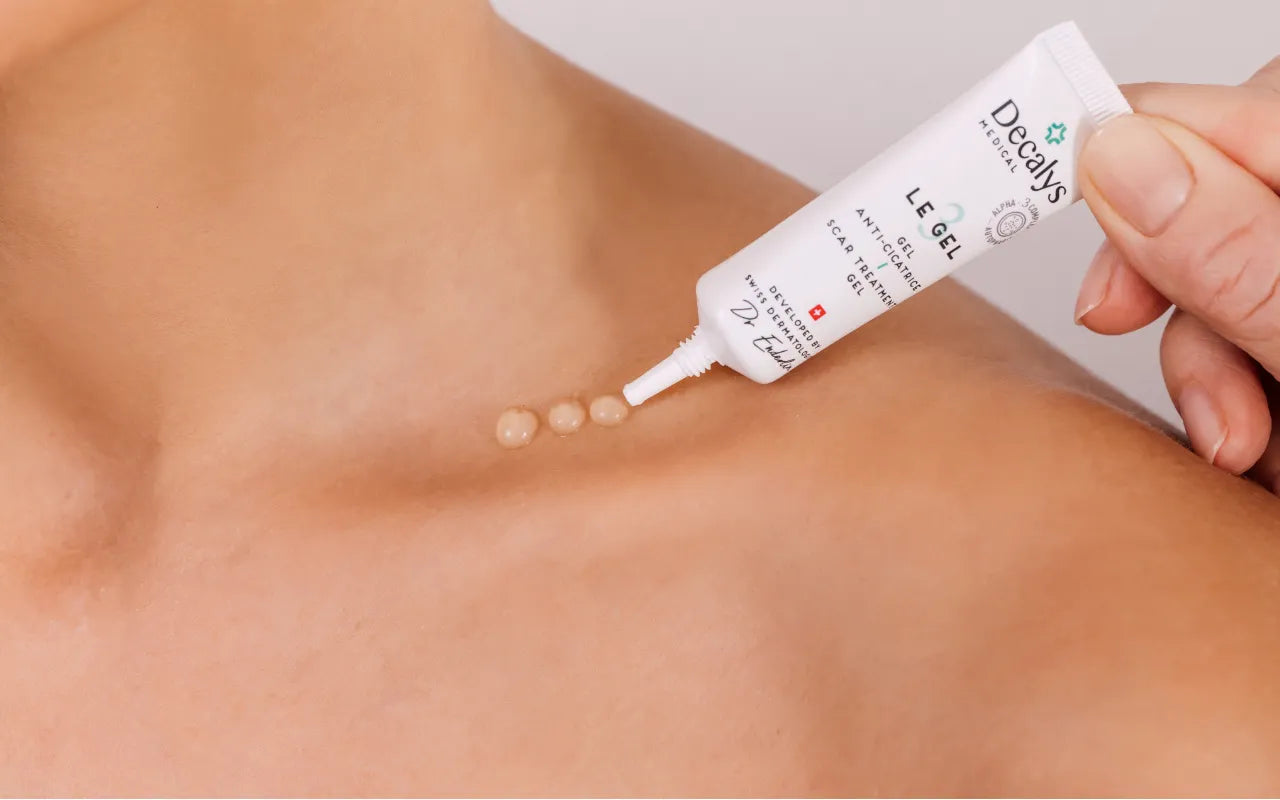
LE GEL – A light, non-sticky silicone gel for fresh scars on the face or neck.
4. Medical options for more complex scars
For highly visible, painful or thickened scars, consulting a dermatologist is advisable. Medical treatments may include:
- Cryotherapy with liquid nitrogen
- Laser therapy (e.g. CO₂ or Fraxel)
- Microneedling / medical needling
- Surgical scar revision (e.g. Z-plasty)
Early intervention by a professional can help prevent the scar from becoming more fibrotic or hypertrophic.
Find your ideal scar care with the DECALYS Scar Test
Not sure which product suits your scar best?
The free DECALYS Scar Test offers personalized product recommendations based on:
- Type of scar (fresh or mature?)
- Skin sensitivity & scar location
- Treatment goal (e.g. soothe, protect, renew)
➡️ Take the scar test now
Quick. Free. Personal.
5. Conclusion: Scar care is medically valuable & visibly effective
Scars don’t have to stay as they are. With patience, protection, and the right care, their appearance can improve significantly. What matters most:
- Start care early, ideally after wound closure
- Use high-quality ingredients with regenerative effects
- Combine scar care with UV protection consistently over weeks or months
DECALYS by Dr. Enderlin offers you medically inspired skin solutions, developed with dermatological expertise and backed by Swiss Made quality.


